
STORY
Care That Shapes the Future
Why did a University of Tokyo student choose the care industry?
And what future does that choice aim to create?
01PROLOGUE
“A University of Tokyo student, in the care industry?”
McKinsey, Goldman Sachs, Mitsui & Co. The Ministry of Finance and the Ministry of Economy, Trade and Industry. AI startups and R&D-driven ventures. Amid a lineup of careers that seemed to announce “this is what the University of Tokyo is all about,” I chose the path of care.
02JOURNEY
The Road to Founding
Childhood
Four years in Hong Kong, seven in Singapore
Spent more than ten years abroad. After returning, struggled to adapt to Japanese society. That became the formative experience behind a wish: “to create an environment where people living in Japan can picture a brighter future twenty years from now.”
Univ. of Tokyo
Wrestling with elitism
Majored in social psychology. As those around me headed into consulting and investment banking, a realization came at a ramen shop: “Even this shop exists because someone started a business.” An interest in entrepreneurship began to grow.
Early ventures
The deepest depression of my life
I could not see why I needed to be the one doing this. Days tormented by my own elitism. Gradually, though, I began to notice “what I can do”: effectuation.
Turning point
Meeting the business that started it all
A chance encounter brought me to the front line of care. It was the moment I was freed from my elitism. I learned that the job is to make the person in front of you smile. Meanwhile, at the macro level, shifting demographics, social security pressures and M&A were all accelerating.
April 2023
Founded EEFUL Holdings
It wasn't what I most wanted to do. But it was an industry someone had to take on. And if you asked who could, and who should, the answer was me. I made up my mind and founded the company.
It wasn't what I most wanted to do.But it was an industry someone had to take on.And if you asked who could, and who should,the answer was me.
03REALITY
An aging society: the reality that will decide Japan's future
By 2040, more than 35% of Japan's population will be 65 or older. Aging itself is not the problem. The real problem is the double burden of a falling birthrate and an aging population advancing at the same time. Yet this crisis is also an opportunity to restructure the industry.
- 35%
- Share of the population aged 65+ in 2040
- 3%
- Average operating margin of care businesses
- 80,000yen
- Pay gap vs. the all-industry average
- 25years
- Of distortions built into the long-term care insurance system
04GENBA
The Reality on the Care Front Line
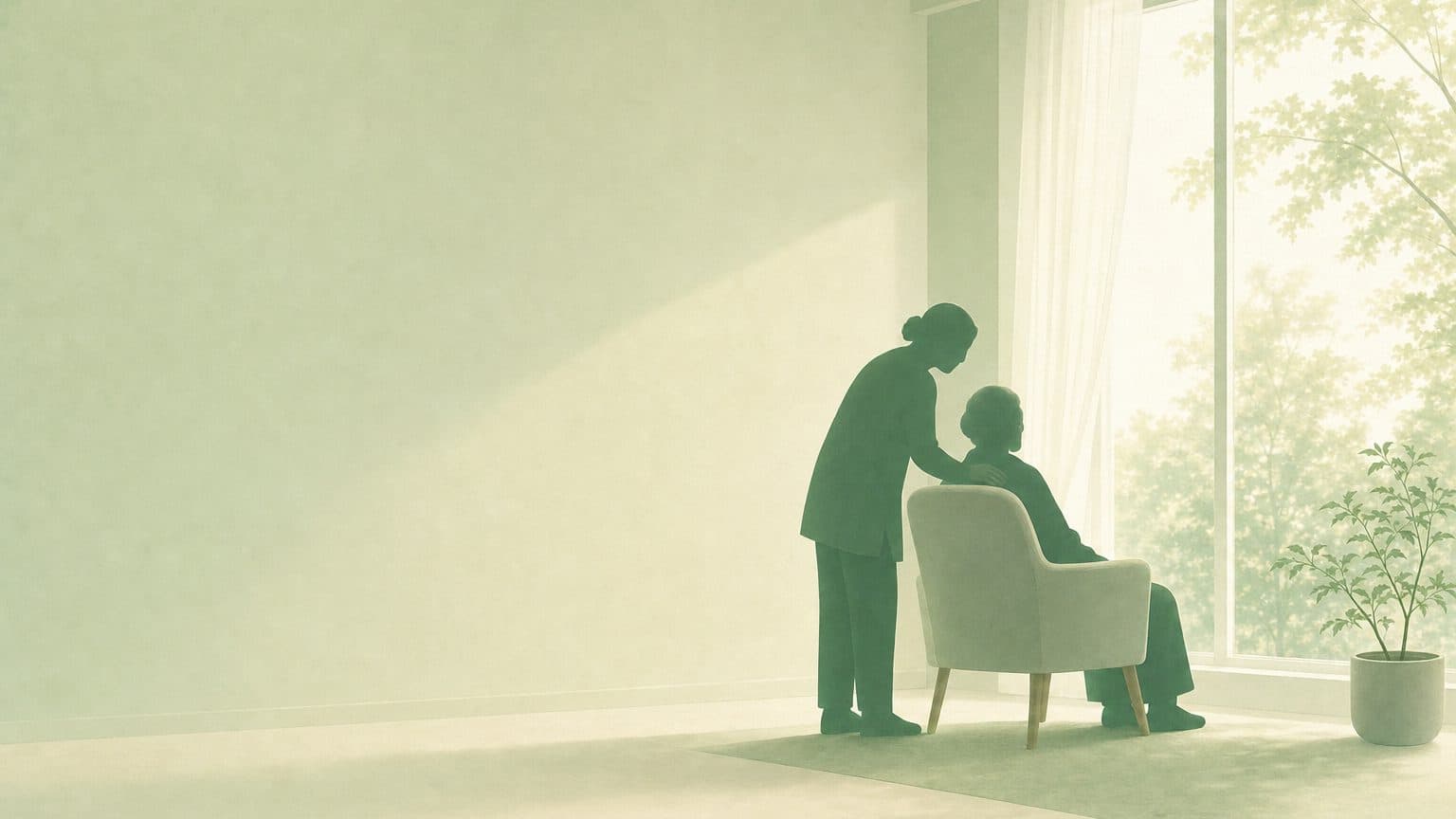
The bright side
The certainty that you are truly helping the person in front of you
You learn so much from those who have lived long lives
For all its challenges, it can be genuinely fun
Work where “thank you” reaches you directly
The dark side
A fee structure that makes profits hard to come by, with average operating margins around 3%
“I want to look at people, but I spend more time looking at paperwork”
The reality that take-home pay barely grows even after ten years
Unclear career paths, where promotion means double the administrative paperwork
Unless we create an environment where people on the front line of care feel not only that gratitude keeps them going, but also that they can build their lives and futures here, no amount of system reform will make the front line sustainable. That is why we are using technology to change care.
05WORLD
Learning from the World, Building on Japan's Strengths
Japan is the world's most aged society. Have we created an environment where older people, too, can live rich lives? Overseas, many initiatives are already under way.
- Denmark
- A leader in community-based home care. Care workers make rounds in their neighborhoods, supporting older people's independence: the Buurtzorg model.
- United States
- The home of the CCRC. Large campuses provide consistent care, from active seniors to people who need long-term care.
- Japan's potential
- A home-based CCRCC that makes the most of Japan's dense infrastructure for daily life: a new model for an aging society built on soft services.
06CCRCC
CCRCC: a vision for a “city of the future”
CCRCC (Continuing Care Retirement Communal City) is a concept that, rather than building new facilities, provides soft services that make it easier for older people to live at home. It covers not only care but also communities for older people and daily-life support such as shopping and transportation.
- Seamless care
- Regular-visit care, home-visit nursing, home-visit care, in-home care support and day services, all from one place: a seamless care network.
- Community salons
- Community salons for mass-affluent people aged 75 to 85, extending healthy life expectancy through hobbies, learning and social connection.
- Daily-life infrastructure
- An infrastructure of soft services that enrich life at home, such as shopping assistance, meal delivery and transportation support.
01
02
03
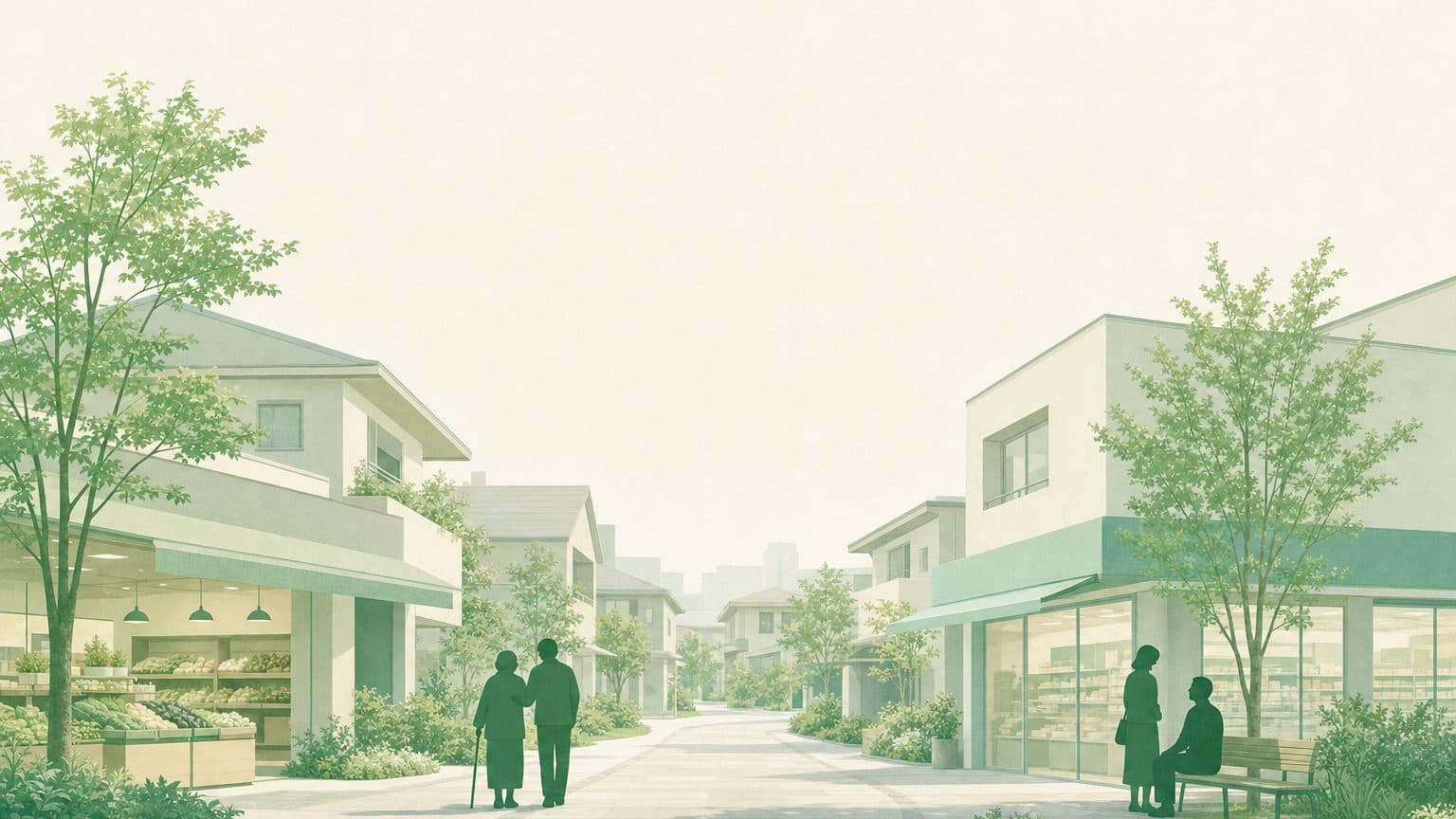
Where CCRCC works best
CCRCC shows its true value not in rural areas where people naturally help one another, but in “residential areas where community ties tend to be thin, such as new towns and commuter towns”: areas once developed as bases for commuting into the city, where aging and generational turnover are now weakening the bonds between residents. Making use of existing infrastructure such as supermarkets, clinics and pharmacies, we will build in soft services step by step.
07AI
AI as “Barrier-Free IT”
We define AI as “barrier-free IT.” You no longer need to think about where to find what, as you did before.
- Just ask, and it's there
- Tell the AI “I want to write my daily report,” and the reporting system opens. Ask it to “show me Mr. or Ms. X's vital signs from yesterday,” and the information comes up. That is technology for a new era.
- Built in-house, connected to the front line
- We developed our own AI model, AIGO. Using vibe coding, we are building one new SaaS product a week. CRM, BI, daily closing: everything is built in-house and connected directly to the front line.
082040
2040: how will we live?
A falling birthrate and an aging population tend to be discussed in negative terms. But if Japan can put forward concrete solutions, they can become a “prototype of hope” that aging societies around the world can reproduce. Papers from Japan on its scientific care database and on incentive payments for improving care-need levels have already been featured as highly cited papers in the journals of the European Geriatric Medicine Society and the American Public Health Association.

- Co-creation across generations
- Seniors mentor young people, passing their experience and knowledge on to the next generation. A society where the walls between generations come down and everyone learns from one another.
- Revitalizing communities
- Bringing new towns back to life. Starting from salons for older people, a new kind of community where generations come together.
- “Aging as growth”
- Reframing aging as growth rather than decline. Redefining self-help, mutual help, community support and public assistance to turn an aging society into social capital.
- Sharing with the world
- Taking Japan's problem-solving models to the world: a paradigm shift from a country at the forefront of problems to a country at the forefront of solutions.
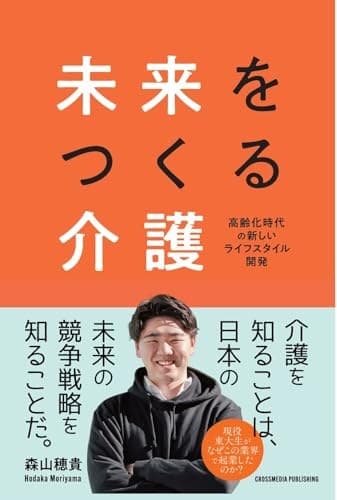
Whether you see an aging society as negative or positive is up to each of us. But seeing it negatively leads nowhere. What we must do now is turn this situation into social capital, in other words, make “aging as growth” a reality.
EEFUL will lead the way.